Bid Farewell to Dizziness and Forgetfulness: Hyperbaric Oxygen Therapy Safeguards Cerebral Blood Supply
- Share
- Issue Time
- Jun 9,2026
Summary
Bid Farewell to Dizziness and Forgetfulness: Hyperbaric Oxygen Therapy Safeguards Cerebral Blood Supply

Many middle-aged and elderly people suffer from chronic cerebral insufficiency, accompanied by discomforts such as dizziness and headache. Experts suggest that after ruling out contraindications, people with such issues can receive hyperbaric oxygen therapy, which effectively relieves dizziness, headaches and memory loss.
Hyperbaric oxygen therapy extends the diffusion distance of oxygen, greatly boosts oxygen supply to oxygen-deficient brain tissues and improves the metabolism of brain cells. It thereby alleviates or even eliminates various symptoms caused by cerebral ischemia and hypoxia. Free from toxic side effects and drug dependence, this therapy boasts irreplaceable advantages in intervening hypoxia-related diseases and is worthy of wider promotion and application.
Do you often struggle with headaches, insomnia, dizziness and fatigue? Or find it hard to concentrate and suffer from poor memory? These may all be warning signs of insufficient cerebral blood supply.
What is Cerebral Insufficiency?
Cerebral insufficiency is not an independent disease, but a general term for brain dysfunctions triggered by inadequate blood flow to the brain. Clinically, it is divided into two categories: acute cases include ischemic stroke (cerebral infarction) and transient ischemic attack (TIA); chronic cases refer to chronic cerebral circulatory insufficiency.
This condition is prevalent among middle-aged and elderly patients with hypertension, hyperlipidemia and hyperglycemia. Atherosclerosis reduces vascular elasticity, narrows the lumen and slows down blood flow, leading to insufficient cerebral perfusion. Besides, hemodynamic disorders such as chronic heart failure, persistent hypotension and insufficient circulating blood volume can also result in poor cerebral blood perfusion.
Long-term chronic cerebral insufficiency may cause cerebral cortical atrophy, degeneration of hippocampal neurons and leukoaraiosis. Typical symptoms include headache, dizziness, persistent fatigue, poor concentration and memory decline. The underlying causes can be identified through medical history inquiry, laboratory tests, cervical vascular ultrasound, cerebral angiography and PET cerebral metabolism detection.
Hyperbaric Oxygen Therapy for Cerebral Insufficiency
Nowadays, hyperbaric oxygen chambers are widely applied in the treatment of cerebral insufficiency. Hyperbaric oxygen therapy is a therapeutic technique where patients breathe high-concentration oxygen in an environment with pressure higher than standard atmospheric pressure to raise the dissolved oxygen content in body tissues.
Under hyperbaric conditions, oxygen diffusion rate and effective diffusion distance are significantly increased, enhancing the oxygen uptake capacity of tissues and correcting hypoxemia efficiently. This therapy can rapidly elevate blood oxygen content, oxygen partial pressure and oxygen diffusion capacity in the body within a short time, improving cerebral perfusion.
Studies show that under normal atmospheric pressure, only 0.3 milliliters of oxygen can be dissolved in every 100 milliliters of blood. In a hyperbaric oxygen environment, the figure rises to 6 milliliters per 100 milliliters of blood — an approximately 20-fold increase in dissolved oxygen.
Moreover, hyperbaric oxygen regulates mitochondrial function and boosts metabolism, easing physical fatigue. Relevant clinical research conducted on 110 patients with chronic cerebral insufficiency revealed that after 20 days of hyperbaric oxygen treatment, their symptoms like fatigue, anxiety and insomnia were remarkably relieved. The level of serum endothelin-1 (ET-1) decreased while nitric oxide (NO) level increased, which effectively reduced damage to vascular endothelial cells.
In addition, hyperbaric oxygen therapy is classified as a Class I indication for a range of ischemia and hypoxia-related conditions, including acute carbon monoxide poisoning, crush injuries, blood circulation disorders after limb replantation, gas gangrene, intracranial abscess, necrotizing otitis externa, radiation osteonecrosis, pressure sores, burns, sudden sensorineural hearing loss, traumatic brain injury and acute ocular fundus blood supply disorders.
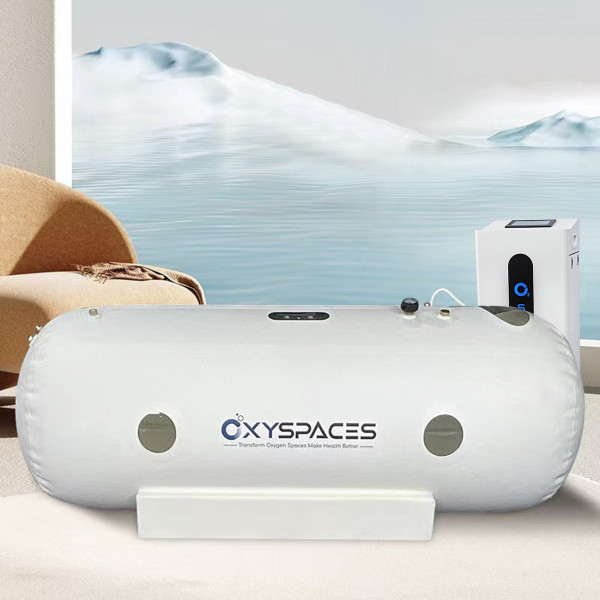
Lying Type Hyperbaric Chamber has circular viewing windows and one oval viewing window for easy communication with the outside
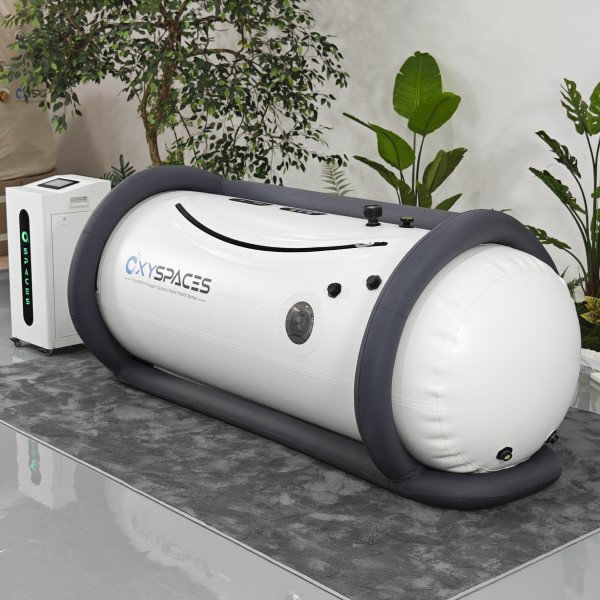
Lying Type Hyperbaric Chamber has circular viewing windows and one oval viewing window for easy communication with the outside
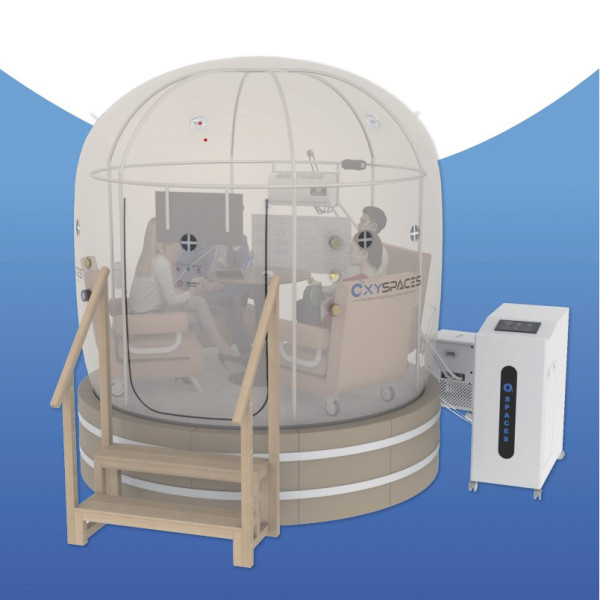
Take your hyperbaric therapy to new heights with the Custom Spherical Hyperbaric Chamber M-240.
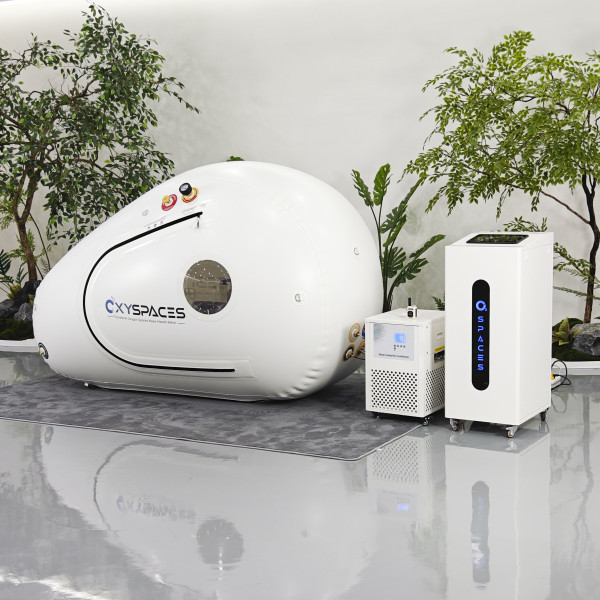
Experience the Quality of OXY SPACES SL240 Hyperbaric Chambers - Flexible Solutions for Global Clients.