Hyperbaric Oxygen Therapy for Sudden Sensorineural Hearing Loss: Interpretation of the 2019 AAO-HNS Clinical Practice Guideline
- Share
- Issue Time
- May 19,2026
Summary
Hyperbaric Oxygen Therapy for Sudden Sensorineural Hearing Loss: Interpretation of the 2019 AAO-HNS Clinical Practice Guideline
Abstract
In August 2019, the American Academy of Otolaryngology–Head and Neck Surgery (AAO-HNS) released an updated clinical practice guideline for sudden sensorineural hearing loss (SSNHL). Compared with the 2012 version, the 2019 guideline has made substantial revisions to the recommendations on hyperbaric oxygen therapy (HBOT). This article interprets the evidence supporting HBOT in the 2019 guideline, analyzes its methodological strengths and limitations, and briefly reviews the current status of HBOT for SSNHL in China.
Key words
Sudden sensorineural hearing loss; Hyperbaric oxygen therapy; Clinical practice guideline; Evidence-based medicine
1 Introduction
Sudden sensorineural hearing loss is a common otological emergency with unclear etiology and pathogenesis, and no unified standard for diagnosis and treatment has been established worldwide. Hyperbaric oxygen therapy refers to the administration of 100% oxygen at a pressure greater than 1 atmosphere absolute (ATA) in a hyperbaric chamber.
The 2012 AAO-HNS guideline stated that “clinicians may offer HBOT to patients with SSNHL within 3 months of onset”, with a recommendation strength of “option”. The 2019 updated guideline redefined the time window and combined HBOT with corticosteroids, dividing it into initial therapy and salvage therapy:
Initial therapy: Clinicians may offer HBOT combined with corticosteroids for patients within 2 weeks of onset.
Salvage therapy: Clinicians may offer HBOT combined with corticosteroids as salvage treatment for patients within 1 month of onset.
Both recommendations remain at the “option” strength.
2 Evidence Interpretation of HBOT in the 2019 Guideline
2.1 Common Evidence Base for 2012 and 2019 Guidelines
A 2005 meta-analysis updated in 2012 by Bennett et al. is the core reference for both versions. It included 7 randomized or quasi-randomized controlled trials (RCTs) involving 392 participants. The main findings were:
The proportion of patients with a 25% improvement in pure-tone average (PTA) was significantly higher in the HBOT group (RR = 1.39, 95% CI: 1.05–1.84, P = 0.02).
No significant difference was observed when the threshold was raised to a 50% PTA improvement (RR = 1.53, 95% CI: 0.85–2.78, P = 0.16).
The absolute PTA gain was 15.6 dB greater in the HBOT group (95% CI: 1.5–29.8, P = 0.03).
However, this meta-analysis has critical limitations:
Poor methodological quality: Unclear inclusion/exclusion criteria, heterogeneous protocols (pressure: 1.5–2.5 ATA), and high risk of bias (inadequate randomization, lack of blinding, incomplete data).
Small sample size: Only 114 patients were included for the 25% improvement analysis and 91 for the absolute gain analysis.
High heterogeneity: I² statistics reached 38.2% and 84% in different outcomes, partly due to varying baseline hearing loss severity.
Potential publication bias: Some negative studies were excluded.
2.2 New Evidence Added in the 2019 Guideline
The 2019 guideline incorporated 3 RCTs, 1 prospective study, 4 retrospective studies, and expert consensus from the Undersea and Hyperbaric Medical Society (UHMS) and the 10th European Consensus Conference on Hyperbaric Medicine.
2.2.1 Expert Consensus
UHMS (2011): Recommended HBOT (2.0–2.5 ATA, 90 min daily, 10–20 sessions) for moderate to severe SSNHL (≥41 dB) within 14 days of onset.
European Hyperbaric Association (2017): Strongly recommended HBOT plus medication within 2 weeks (Level 1, Grade B); not recommended as monotherapy beyond 6 months (Level 1, Grade C); reasonable as adjuvant therapy for severe cases between 2–4 weeks (Level 3, Grade C).
2.2.2 Time Window Evidence
A retrospective study by Yildirim et al. showed that HBOT initiated within 2 weeks yielded significantly better hearing gains than treatment after 2 weeks. Limitations included unbalanced corticosteroid use and baseline hearing severity across groups.
2.2.3 HBOT Plus Corticosteroids
Two RCTs (Filipo et al., Naiboǧllu et al.) enrolled patients within 15 days of onset and compared different steroid delivery routes combined with HBOT. All groups showed significant hearing improvement, but the independent efficacy of HBOT or HBOT–steroid combination could not be confirmed due to the lack of a control group and the spontaneous recovery rate of SSNHL.
2.2.4 Salvage Therapy
Multiple studies supported HBOT as salvage therapy:
Desloovere et al.: 2.5 ATA HBOT was superior to 1.5 ATA and control in patients with failed initial treatment.
Alimoglu et al.: Oral steroids plus HBOT achieved the highest recovery rate among four regimens.
Cvorovic et al. and Gülüstan et al.: HBOT and intratympanic steroids showed similar efficacy as salvage treatment.
Medscape (Mathur): 50% of patients gained 20 dB within 2–6 weeks; no benefit beyond 3 months.
Overall, most existing studies are small‑sample and low‑quality, which explains why the guideline only gives an “option” recommendation.
3 Adverse Effects and Costs of HBOT
3.1 Adverse Reactions
HBOT is not risk‑free. Common complications include:
Middle ear barotrauma (most frequent, ~43% incidence): Pain, congestion, hemorrhage, or rare tympanic membrane rupture.
Sinus barotrauma: Facial pain, mucosal edema.
Transient myopia: 25%–100% of patients at ≥2.0 ATA; reversible in 3–6 weeks to 6–12 months.
Rare events: Central nervous system oxygen toxicity (seizures, ~1/2000–1/3000), claustrophobia, pulmonary barotrauma (~1/1000).
3.2 Medical Costs
In the US: 600–700 USD per course; mostly not covered by insurance.
In China: Inpatient treatment is required, with an average stay of 12 days and cost of ~8700 RMB for ~10 sessions; 30 sessions may cost tens of thousands of RMB.
4 Current Status of HBOT for SSNHL in China
2015 Chinese SSNHL Guideline: HBOT efficacy remains controversial; not recommended as first‑line, but may be used as salvage therapy.
2018 Chinese Expert Consensus: HBOT is a definite indication; early administration is encouraged, with pressure 1.6–2.5 ATA, 5–10 sessions per course, ≤30 sessions total.
2018 Chinese HBOT Safety Specification: SSNHL is a Class I indication (Grade B recommendation, Level 2b evidence).
Domestic studies since the 1980s have reported favorable outcomes with 2.0–2.5 ATA, 60–90 min per session, 10–30 sessions, but few systematically reported adverse events.
5 Conclusion
The 2019 AAO-HNS guideline does not recommend routine HBOT for SSNHL but retains it as an optional therapy combined with corticosteroids for initial treatment within 2 weeks and salvage treatment within 1 month. This cautious stance reflects the limitations of current evidence (small samples, methodological flaws), unclear real‑world efficacy, costs, and potential harms.
High‑quality, large‑sample, multicenter RCTs are urgently needed to confirm the efficacy, optimal protocol, safety, and cost‑effectiveness of HBOT for SSNHL.
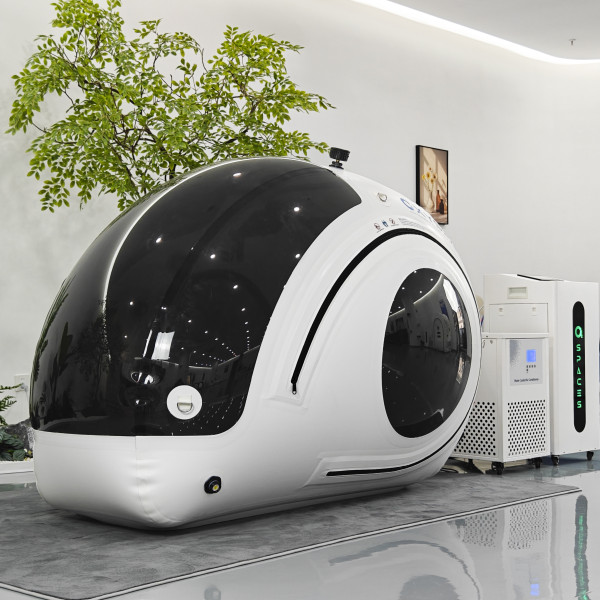
Transparent Hyperbaric Chamber has a magical shape like a space capsule.
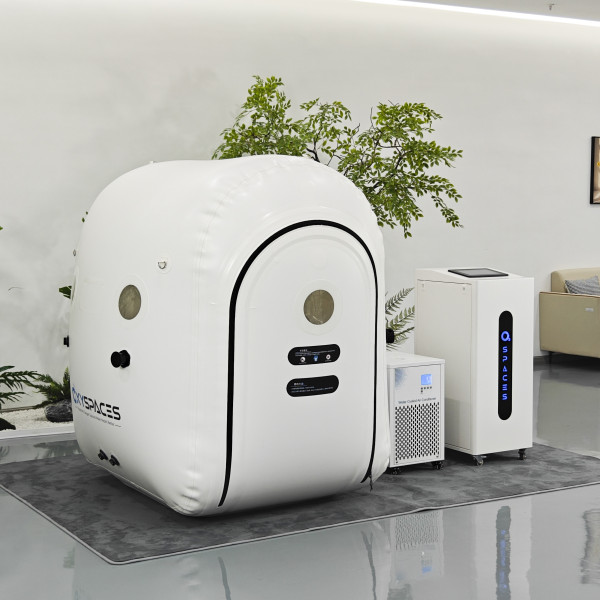
The research of the multi-functional hyperbaric chamber is to facilitate the elderly or disabled with inconvenient legs.
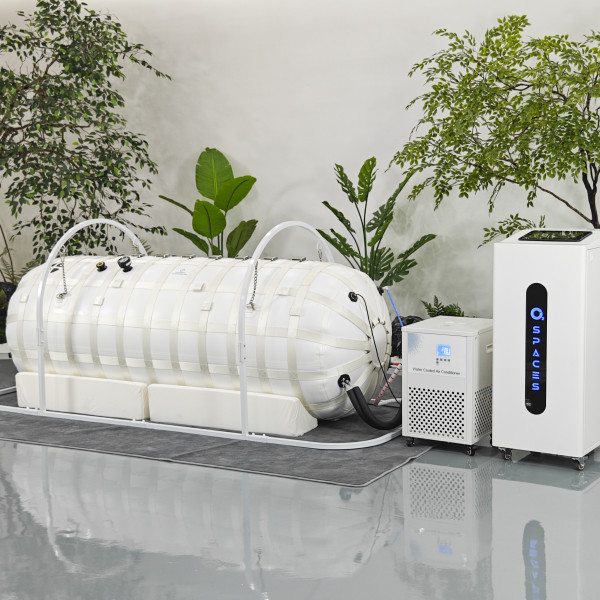
The P-210 High Pressure Hyperbaric Chamber is larger in size, nearly the medical-grade pressure
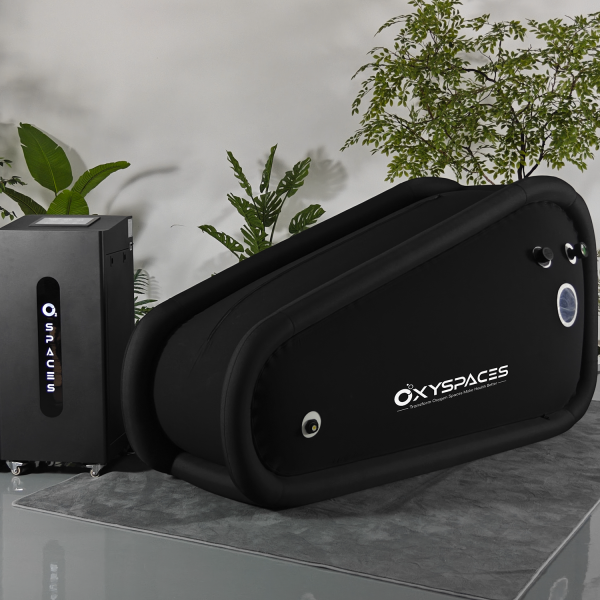
Experience the Quality of OXY SPACES SL-220C Hyperbaric Chambers - Flexible Solutions for Global Clients.