A Complete Guide to Hyperbaric Oxygen: Principles, Mechanisms and Clinical Value
- Share
- Issue Time
- Aug 25,2026
Summary
A Complete Guide to Hyperbaric Oxygen: Principles, Mechanisms and Clinical Value
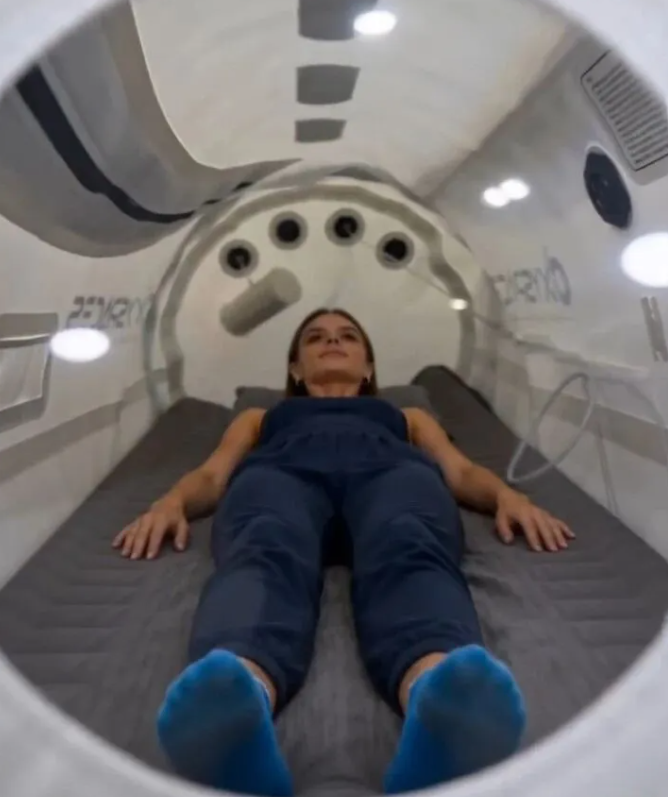
In the medical field, hyperbaric oxygen therapy remains a relatively niche treatment modality, unfamiliar yet intriguing to many people. As physicians working in the hyperbaric oxygen department, apart from assessing patients’ conditions, developing personalized treatment plans and mitigating treatment‑related risks, it is equally vital to popularize knowledge of hyperbaric oxygen therapy, dispel public misgivings, and help more people understand its role in disease prevention, treatment and rehabilitation.
Simply put, hyperbaric oxygen therapy involves patients breathing pure oxygen or high‑concentration oxygen in an environment above one standard atmospheric pressure to achieve therapeutic effects. The specialized device that creates this high‑pressure environment is what we commonly refer to as a hyperbaric oxygen chamber.
The therapeutic effects of hyperbaric oxygen on the human body fall mainly into two categories: non‑oxygen‑supply mechanisms and oxygen‑supply mechanisms. These two mechanisms work synergistically to support the treatment and rehabilitation of a wide range of diseases.
## Non‑oxygen‑supply mechanisms: Therapeutic effects independent of increased oxygen intake
These effects stem from the high‑pressure environment itself, rather than merely increased oxygen uptake. They represent unique therapeutic advantages of hyperbaric oxygen therapy.
- **Eliminating internal gas bubbles and relieving gas‑induced compression**
In accordance with physical laws, rising pressure reduces gas volume and greatly increases gas solubility in blood. A hyperbaric oxygen environment rapidly shrinks and dissolves gas bubbles inside the body, which are then eliminated via blood circulation. This effectively eases tissue compression and blockage caused by bubbles, making hyperbaric oxygen the core treatment for decompression sickness and gas embolism.
- **Vasoconstriction, improved microcirculation and accelerated tissue repair**
Hyperbaric oxygen triggers reflex vasoconstriction to rapidly reduce tissue edema of various origins, while markedly raising tissue oxygen supply. It also lowers adhesion between leukocytes and vascular endothelium to prevent microthrombosis, speeds up cell division and collagen fiber formation, and facilitates collateral circulation in ischemic tissues. This serves as an important theoretical basis for postoperative rehabilitation following skin flap transplantation and replantation of severed fingers.
- **Bacteria‑inhibiting effects for adjuvant anti‑infection treatment**
Hyperbaric oxygen can inhibit and kill both anaerobic and aerobic bacteria. Except for severe pulmonary infections, it can assist in treating infectious diseases affecting tissues and organs across the body.
- **Enhancing chemoradiotherapy efficacy and alleviating side‑effects**
When combined with radiotherapy and chemotherapy, hyperbaric oxygen improves tumour treatment sensitivity. It boosts therapeutic outcomes while allowing reduced chemoradiotherapy dosages and mitigating adverse reactions caused by these treatments.
- **Protecting nerve cells and reducing injuries**
By reducing intracellular calcium overload, hyperbaric oxygen effectively prevents neuronal apoptosis, which accounts for its remarkable therapeutic benefits for brain injury.
- **Other auxiliary effects**
Hyperbaric oxygen promotes nerve regeneration with effects similar to neurotrophic factors. It also exerts bidirectional regulation on human immune function to help restore bodily homeostasis.
## Oxygen‑supply mechanisms: Efficient oxygen supplementation to address hypoxia at its source
This is the fundamental function of hyperbaric oxygen therapy. Its core lies in drastically improving oxygen transport and storage within the human body via high‑pressure conditions.
- **Markedly elevated physically‑dissolved oxygen in blood and blood oxygen partial pressure**
Under normal atmospheric pressure, very little oxygen is physically dissolved in blood. In a hyperbaric oxygen setting, elevated blood oxygen partial pressure multiplies the amount of physically‑dissolved oxygen. For instance, breathing pure oxygen at 3 atmospheres raises dissolved oxygen from 0.3 mL to 6 mL per 100 mL of blood, rapidly replenishing oxygen for body cells.
- **Extended oxygen diffusion distance to nourish deep hypoxic tissues**
Under normal conditions, oxygen diffuses only a limited distance from capillaries to cells. Hyperbaric oxygen enhances oxygen diffusion capacity, enabling oxygen to reach deeper hypoxic tissues. It delivers particularly prominent improvements for hypoxia in vital organs such as the brain and myocardium.
- **Increased tissue oxygen reserve and enhanced bodily tolerance**
In a hyperbaric oxygen environment of 200 kPa, oxygen reserve per kilogram of human tissue rises from 13 mL to 53 mL. This significantly extends the safe circulatory‑blockade time and improves physical exercise endurance.

Transparent Hyperbaric Chamber has a magical shape like a space capsule.
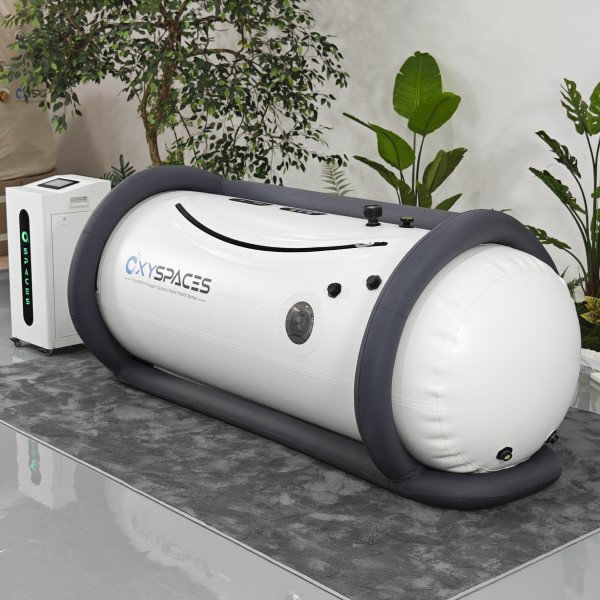
Lying Type Hyperbaric Chamber has circular viewing windows and one oval viewing window for easy communication with the outside
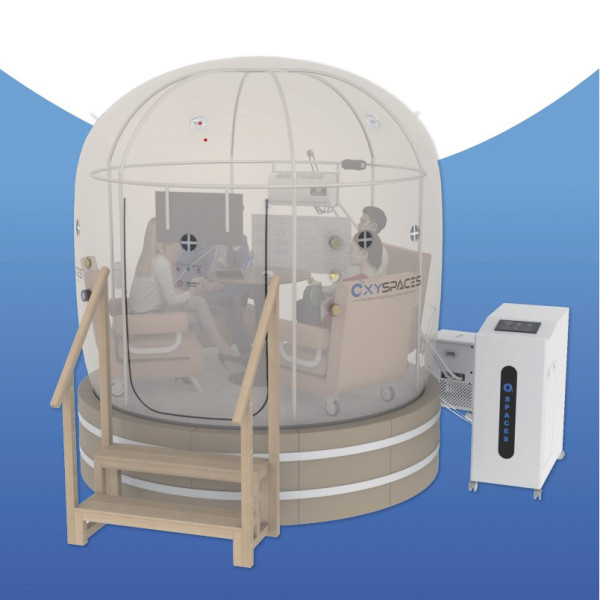
Take your hyperbaric therapy to new heights with the Custom Spherical Hyperbaric Chamber M-240.

Experience the Quality of OXY SPACES SL240 Hyperbaric Chambers - Flexible Solutions for Global Clients.